

Treasures of Eastern Turkey
Diyarbakır · Van · Kars · Erzurum · Trabzon
Send an enquiry
9 days / 8 nights
At a glance
Duration9 days / 8 nights
TransportFlight
GuideLocal guide
AccommodationHotels
Destinations
Black SeaEastern Turkey
Day by day
Itinerary
-
Day 1 Zagreb – Istanbul – Diyarbakır
Flight to Diyarbakır via Istanbul. Transfer to the hotel. Dinner and overnight in Diyarbakır.
-
Day 2 Diyarbakır
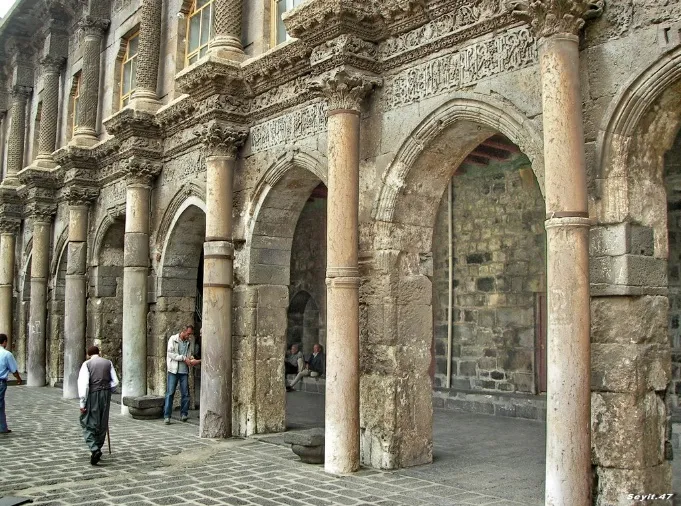
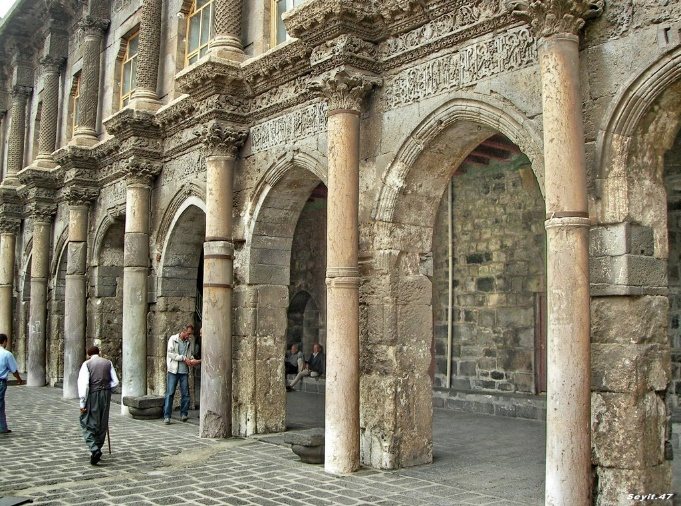
Breakfast. After breakfast, a tour of the city. We will visit the Ulu Mosque, one of the symbols of Diyarbakır and one of the rare mosques where four schools of Islam pray together. The mosque is one of the oldest in Turkey; it was built by the Seljuk sultan Malik Shah in the 11th century.
The Hevsel Gardens are 700 hectares of cultivated, fertile land near the River Tigris, where in the past all of Diyarbakır’s produce was grown.
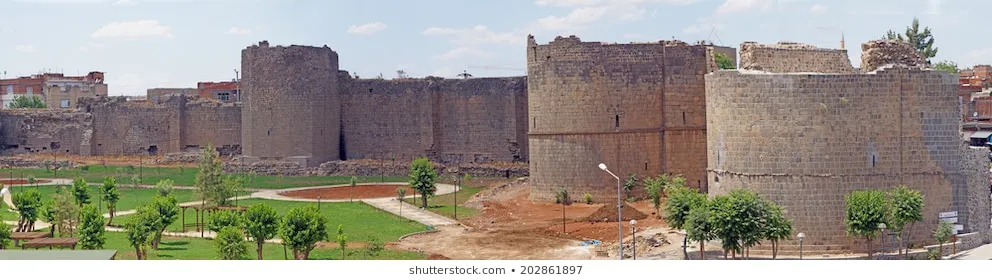
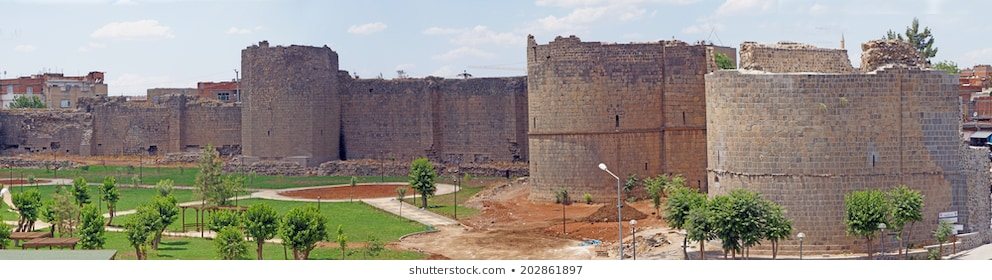
The city walls, around 7000 years old, are the longest walls in the world after the Great Wall of China. (5.5 km)
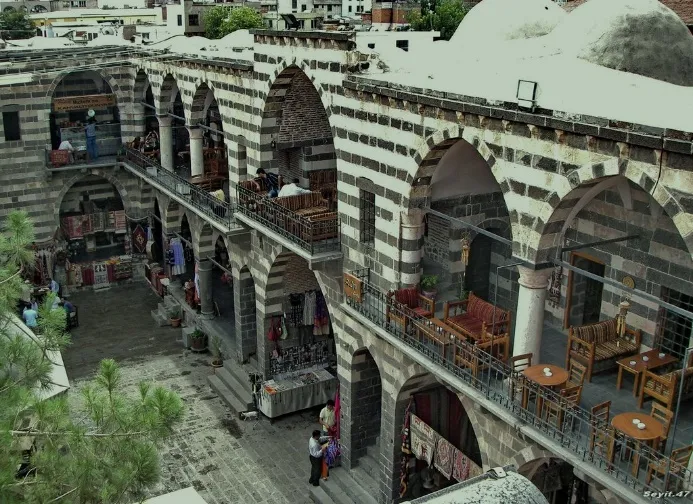
We continue the city tour with the old bazaar, then return to the hotel. Dinner and overnight in Diyarbakır.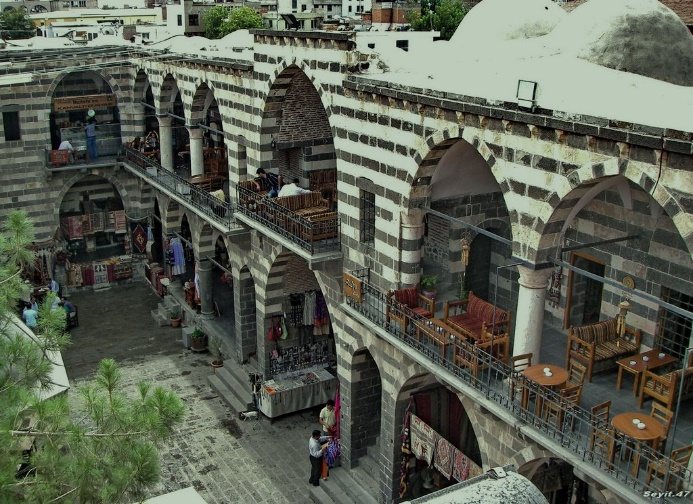
-
Day 3 Diyarbakır – Tatvan – Ahlat (approx. 315 km)
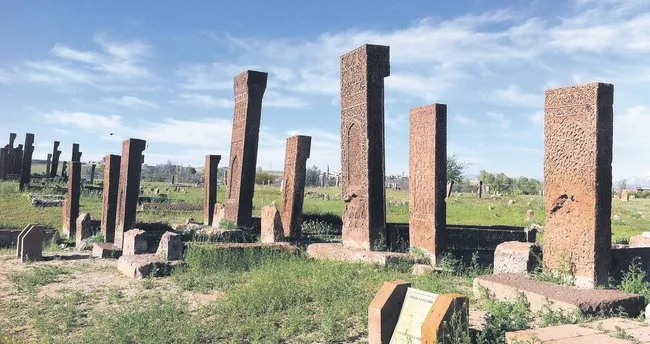
Breakfast. After breakfast, we continue our drive towards Tatvan and Ahlat. On arrival in Ahlat, a tour of this historic town in eastern Anatolia, home to the world’s largest Muslim cemetery, with more than 8000 tombstones and sarcophagi. Ahlat lies on the shore of Lake Van in the province of Bitlis, in the south-eastern part of Turkey.
The Turkish government declared Ahlat one of its protected areas and applied for UNESCO to include Ahlat’s tombstones on the World Heritage List in 1983. After the tour of Ahlat, return to Tatvan. Check-in at the hotel, dinner and overnight. -
Day 4 Tatvan – Van (approx. 120 km)
Breakfast. After breakfast, a drive along the shore of Lake Van towards the city of the same name. The city of Van lies at an altitude of 1750 m and has been known in history since the 8th century BC. The city was ruled in turn by Armenians, Persians, Arabs, Seljuks and Ottomans.
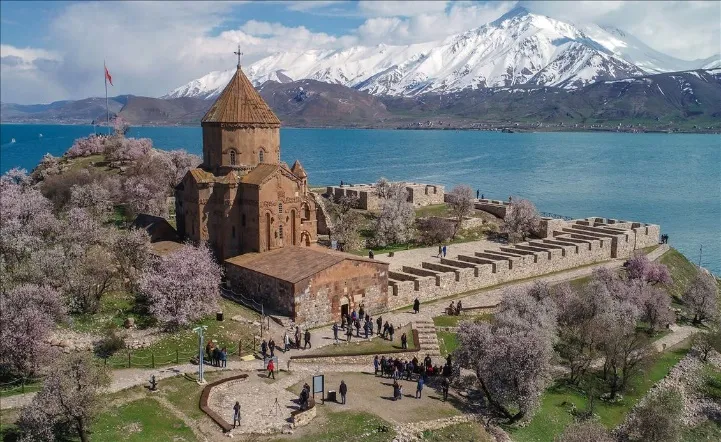
Before reaching the city, we take a boat trip to the largest island, Akdamar, about 60 km south-east of the city of Van. The island’s most popular sight is the 10th-century Armenian church. The Church of Akhtamar stands on the island of the same name. The motifs on the exterior of the church tell stories from the Bible, while the interior walls are covered with frescoes in predominantly light blue, white and black. After visiting the church, departure for the hotel. Check-in at the hotel, dinner, overnight in Van.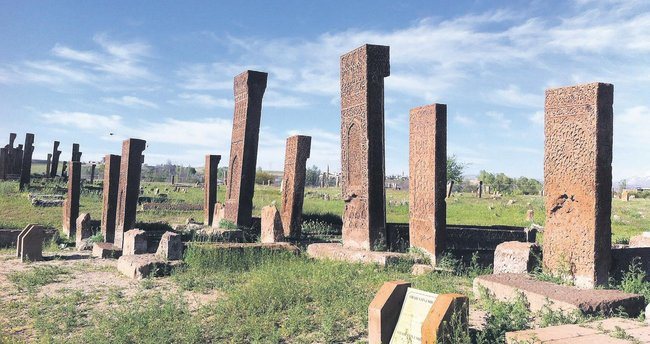
-
Day 5 Van
Breakfast. After breakfast, a tour of the Van Citadel, built by the ancient kingdom of Urartu between the 9th and 7th centuries BC, the largest example of its kind.
The ancient fortress lies west of the city and east of Lake Van. The palace, which was long the capital of the Urartian state under the name of Tushpa, was built by the Urartian king Sarduri I.
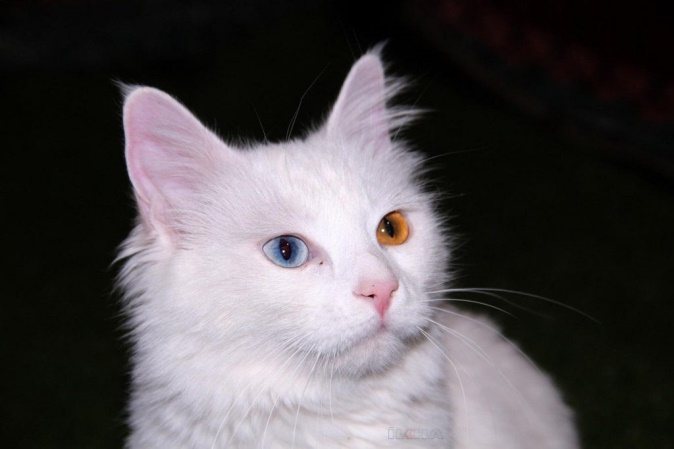
After the tour of the citadel we continue to the archaeological museum. In the museum you will see a selected collection from the Kingdom of Urartu. We continue to the “Van Cat House”. The Van cat is famous worldwide for its white fur and eyes of different colours; it is special because it loves water and swims in the lake. Slightly fewer than five hundred of these cats are registered worldwide.
Since it is very rare, the state decided to protect this breed of cat and, 10 km from the city on the shores of the lake, built a house resembling a small zoo; the complex consists of buildings with various rooms and is home to around 80 cats. The outdoor area, where the cats roam, is fenced with wire. Inside the house there is a large glass section which you can enter, accompanied by staff, to pet the cats. After the visit we continue to the Van bazaar. Free time until the return to the hotel. Dinner, overnight.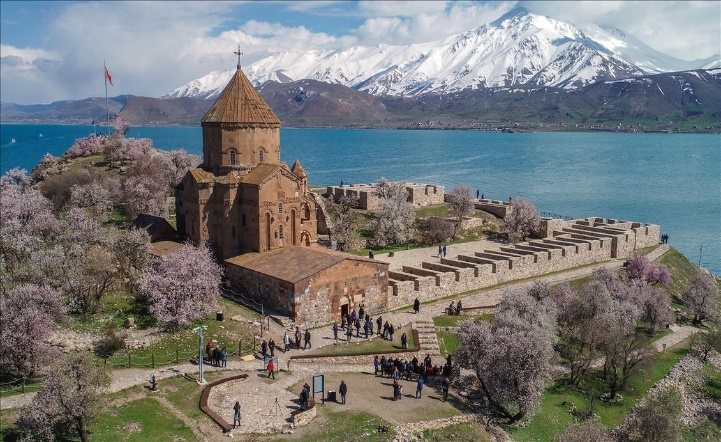
-
Day 6 Van – Doğubayazıt – Kars (approx. 350 km)
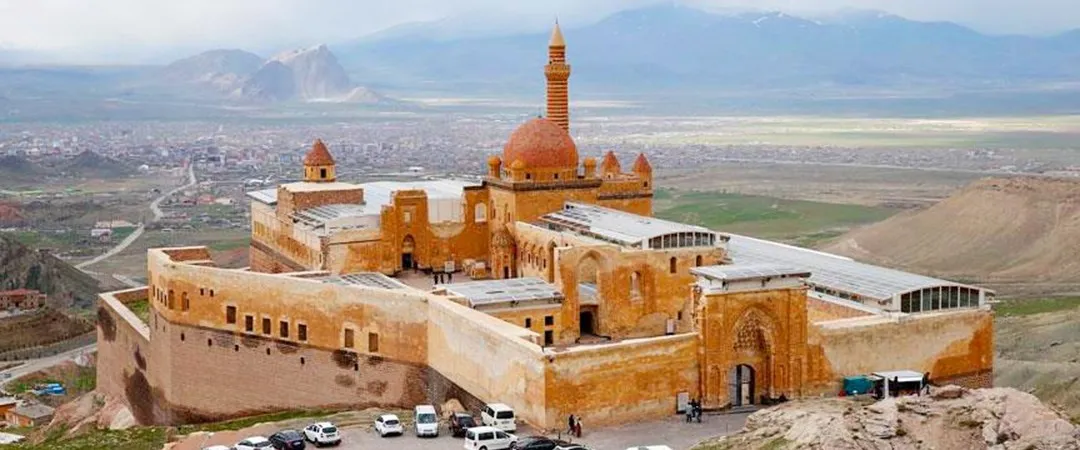
After breakfast, departure for the city of Kars. On the way we visit the Muradiye Waterfall, 100 km from the province of Van, which offers beautiful scenery in summer and winter. After the visit to the waterfall we continue towards the town of Doğubayazıt at the very foot of Ararat, the highest mountain in Turkey (5156 m). It is a snow-covered volcanic dome which the holy books describe as the place where Noah’s Ark ran aground. At the foot of Mount Ararat stands the fairy-tale Ishak Pasha Palace, which will surely leave you breathless, as it looks like something out of the tales of the 1001 Nights.
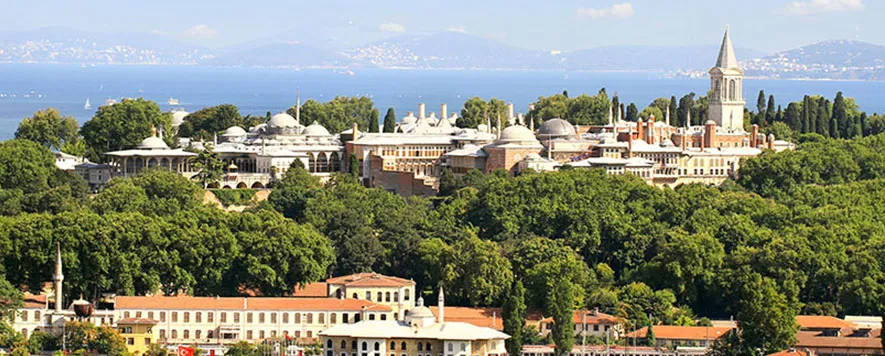
This palace is the second-largest sultan’s complex after the famous Topkapı. The palace is also on UNESCO’s tentative list for inscription on the World Heritage List.
In the early evening, arrival in Kars, check-in at the hotel, dinner and overnight.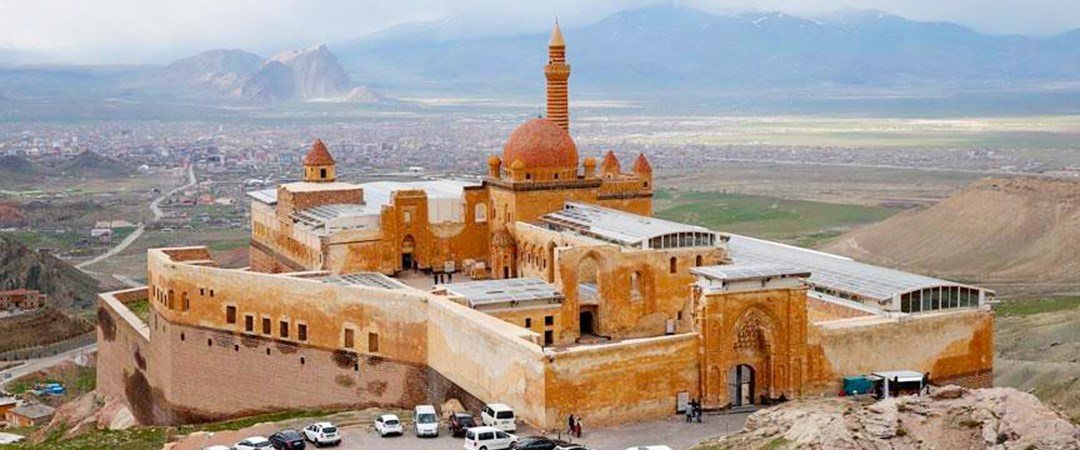
-
Day 7 Kars – Erzurum (approx. 290 km)
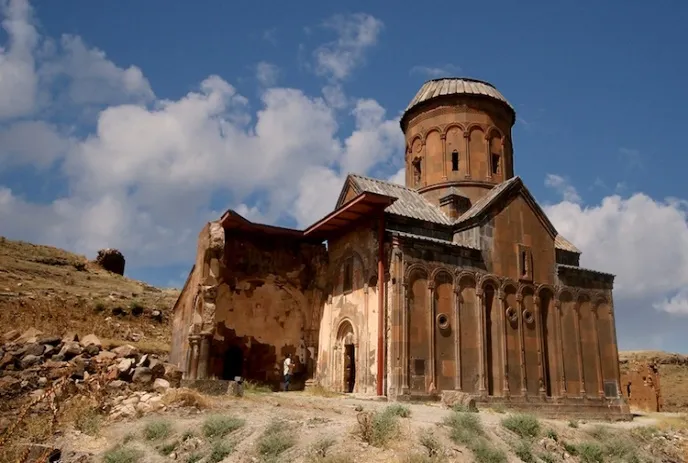
After breakfast, we set off from Kars towards the border with Armenia to visit Ani Harabeleri, the 10th-century medieval capital of the Armenian empire. Affectionately called the city of “1001 churches”, at the height of its power it was among the largest cities in the world.
Traces of a once great empire and an advanced culture are still visible today in the ruins, which have become an unmissable tourist attraction in eastern Turkey. This archaeological treasure was inscribed on the UNESCO World Heritage List in 2016.
After a break we head towards the city of Erzurum. On arrival at the hotel, a short rest is planned, followed by a tour of the sights of Erzurum. The first of them is the Yakutiye Madrasa, built at the beginning of the 14th century and located in the old town centre. After the madrasa, in its immediate vicinity stands the Çifte Minare Madrasa (meaning “Madrasa with two minarets”), even more impressive in appearance than the previous one. The largest madrasa in Anatolia was primarily a theological school, and was later used as a store for gunpowder and weapons in subsequent wars. After touring the very heart of Erzurum, return to the hotel, dinner and overnight.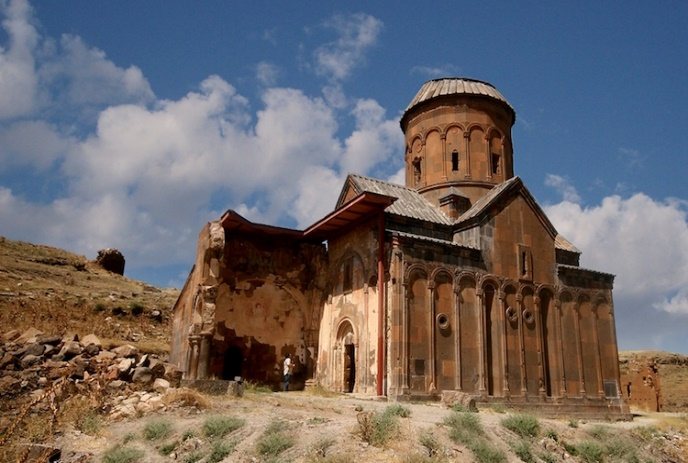
-
Day 8 Erzurum – Trabzon (approx. 320 km)
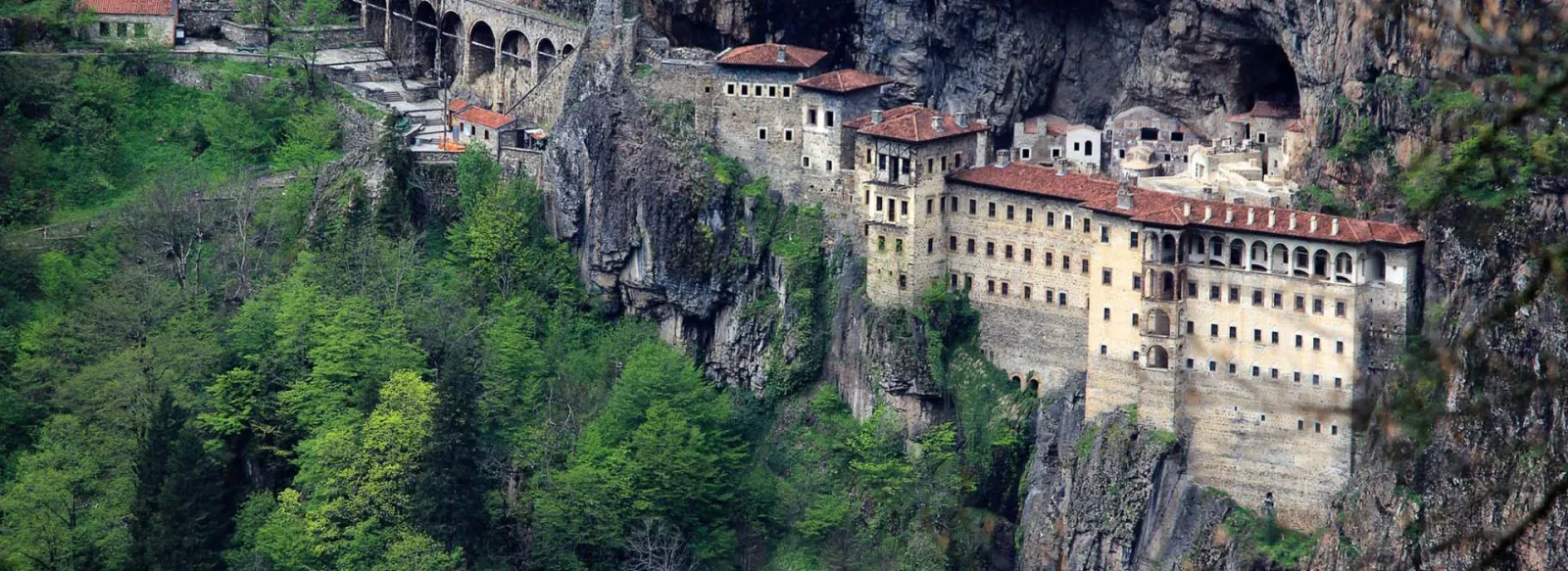
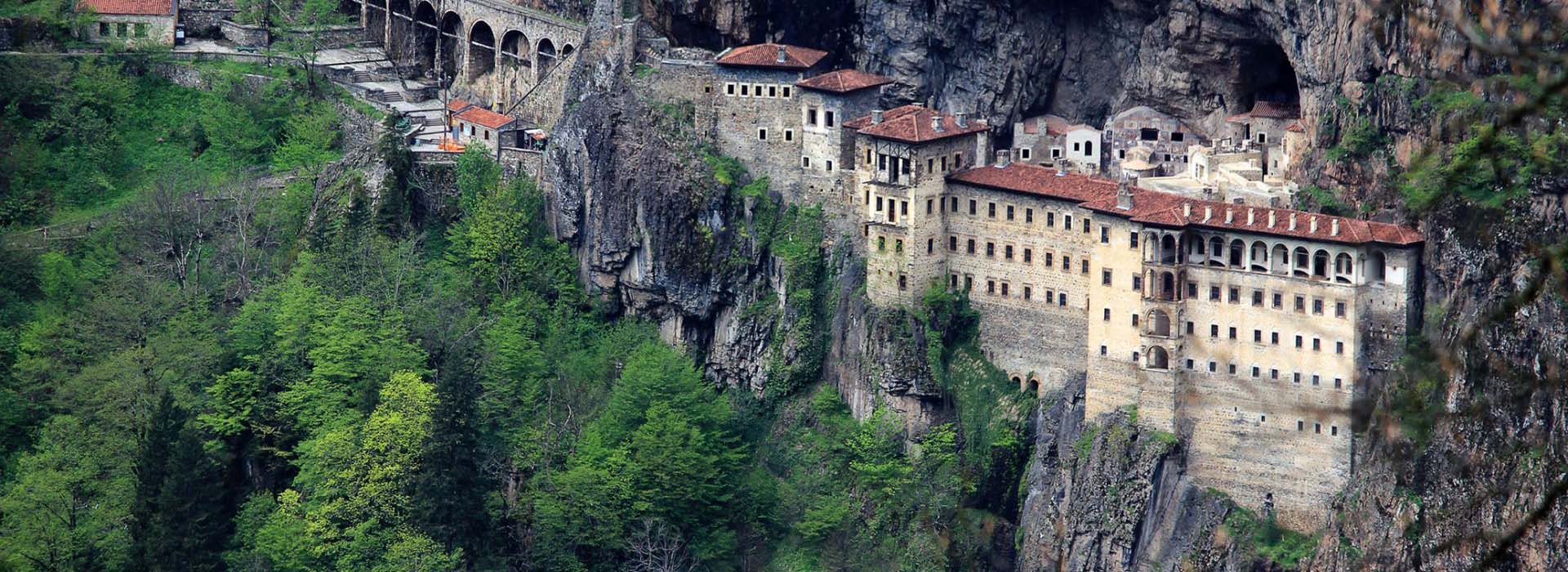
After breakfast, departure for Trabzon. On the way to Trabzon we will visit the Sumela Monastery, located in the eastern part of the Black Sea region, in the middle of the Black Mountain. This ancient church is more than 1700 years old and is one of the oldest monasteries in the world. According to tradition, Sumela is a monastery built in the 3rd century, in the Byzantine period, by two priests who came from Athens. Over a long period the church grew in importance, becoming a place where great revenues were collected, especially in the 8th century. In the 18th century most of the church was restored, and some walls were painted with frescoes. In the 19th century, after a large number of rooms were added, the monastery acquired its wonderful appearance. For centuries the Sumela Monastery was an important religious centre and a place where large groups of people gathered and were educated. The main parts of the monastery are the rooms, the reception room, the library and the holy scriptures. The walls are painted with frescoes, and their main themes are details from the lives of Jesus and the Virgin Mary. In the local language the Sumela Monastery is called Meryem Ana (Mother Mary). Arrival at the hotel, dinner, overnight.
-
Day 9 Trabzon – Istanbul – Zagreb
After breakfast, check-out from the hotel. On the way to the airport we visit Hagia Sophia in Trabzon, one of the most important cultural and historical monuments of the Black Sea region of Turkey. After the visit, transfer to the airport and flight from Trabzon.
Treasures of Eastern Turkey
Send an enquiry
Interested in this journey? Send us an enquiry and we will get back to you with a tailored offer and available dates.
You may also like
Treasures of Eastern Turkey9 days / 8 nights
Send an enquiry