
Silk Road Anatolian Towns
Cappadocia · Salt Lake · Ankara · Beypazarı · Göynük · Taraklı · Iznik · Bursa · Istanbul
Send an enquiry
6 days / 5 nights
At a glance
Duration6 days / 5 nights
TransportFlight
GuideLocal guide
AccommodationHotels
Destinations
IstanbulCappadocia
Day by day
Itinerary
-
Day 1 Kayseri-Cappadocia
Arrival in Kayseri. Transfer to the hotel in Cappadocia. Overnight in Cappadocia.
-
Day 2 Cappadocia
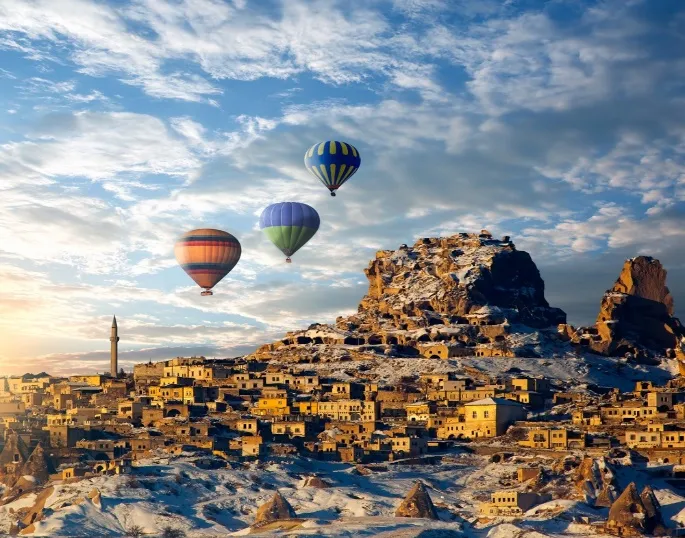
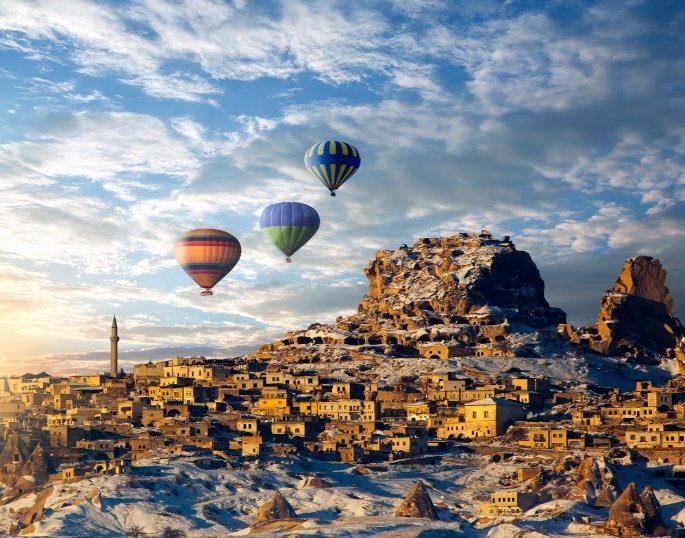
Uçhisar, Göreme Open Air Museum, Zelve, Paşabağları, Derinkuyu Underground City, Ürgüp, Avanos. Overnight in Cappadocia.
Cappadocia
A unique heritage of nature and humankind – fairy chimneys beyond your dreams
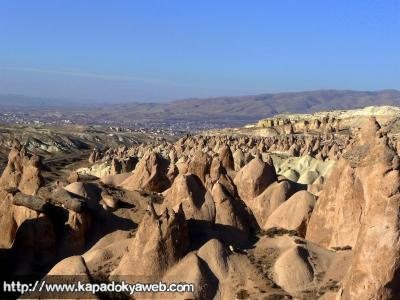
The Cappadocia region lies in the middle of a once active volcanic area of Central Anatolia. Millions of years ago three of its mountains – Erciyes, Hasandağ and Güllüdağ – were active volcanoes; indeed, according to prehistoric paintings, this activity continued intermittently at least until the Neolithic.
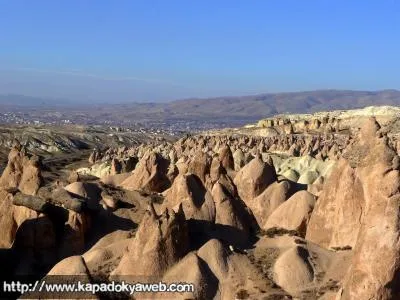
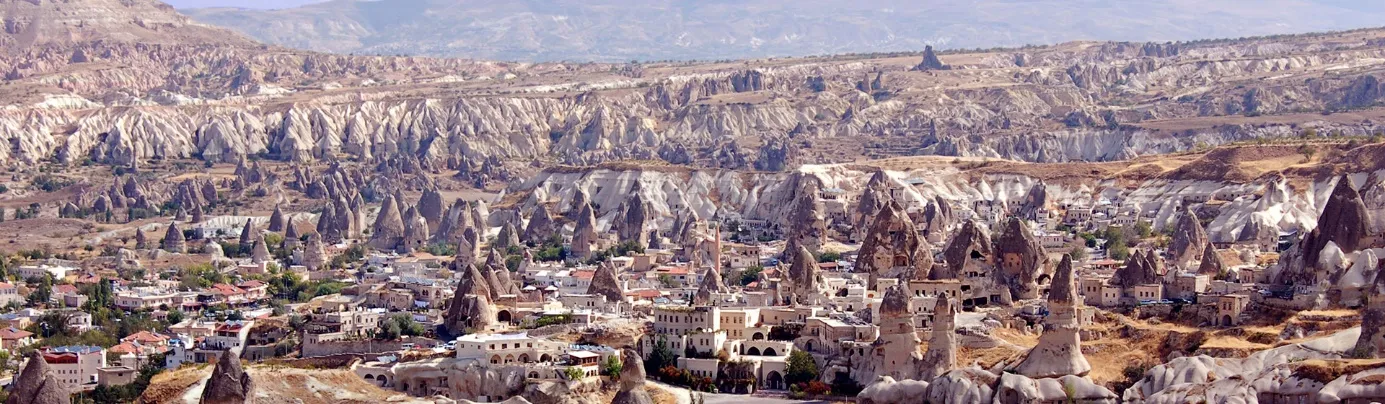
The volcanic eruptions were so powerful that in some places the lava was up to 150 m thick. Over many millions of years, volcanoes, wind, rain and ice shaped the region we know today as Cappadocia. As the landscape eroded, the basalt rocks remained and formed cone-shaped structures, some reaching up to 45 metres.
Local people called these unique rock formations "fairy chimneys", a name that has survived through the centuries. If nature was the first artist to arrange the décor, it was Anatolian man who, over the centuries, carved the rock and built houses, churches and more than 250 underground cities out of it.
Having been a refuge for early Christians, Cappadocia is an open-air museum full of unrivalled natural and cultural components.
Cappadocia offers visitors an extraordinary and lavish feast of natural wonders that exceed their wildest imagination. These wonders are elegantly adorned with works created by the human hand. With its unique natural features showing a harmonious combination of natural and cultural landscape elements, Cappadocia is an enchanting open-air museum and an incomparable example of the shared cultural heritage of humankind.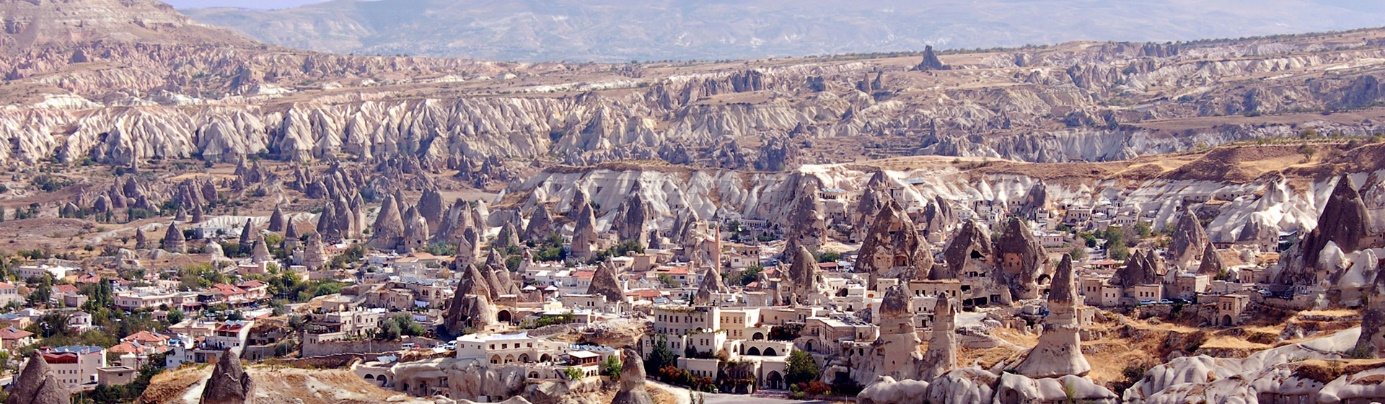
-
Day 3 Cappadocia-Tuz Gölü-Ankara-Beypazarı
After breakfast, departure for Ankara. On the way, a visit to the salt lake Tuz Gölü. Arrival in Ankara and visit to Atatürk's Mausoleum. Arrival in Beypazarı. Tour of the town and its bazaar. Overnight in Beypazarı.
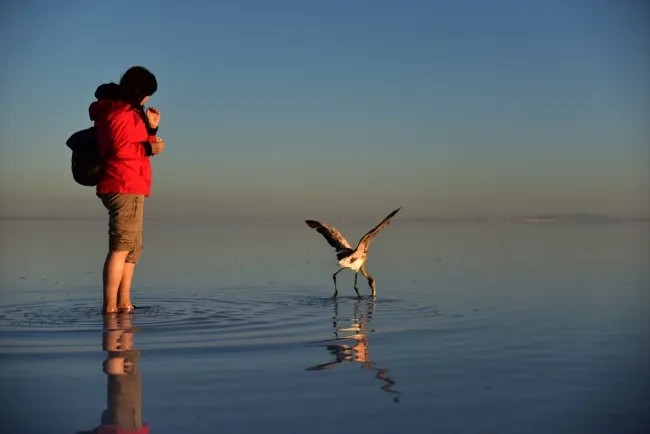
Tuz Gölü
After Lake Van, the second largest lake in Turkey.
The second largest salt lake in the world, it covers 70% of Turkey's salt needs.
The Salt Lake, with an average depth of less than 50 cm, is home to a wide range of bird species. The lake is home to 85 bird species, 129 insect species (4 of them endemic), 15 mammal species and 38 endemic plant species. There are around 6,000 bird nesting areas.
The Salt Lake is classified in the Class A category of areas important for the protection of wetlands and biodiversity.
UNESCO has included it on the Tentative World Heritage List.
Ankara
Because of its location in the centre of the country, the region has historically been the junction of major trade routes and a crossroads of migration flows. The Hittite Empire, one of the superpowers of antiquity, emerged here in Central Anatolia. The Hittites distinguished themselves not only through the civilisations they created, but also through the state structure they developed and their tolerance and respect for human rights.
Throughout history, Ankara witnessed battles between powerful armies seeking dominance. The city was an important cultural, commercial and artistic centre in Roman times and a major trading hub on the caravan route to the east in the Ottoman era. However, it had lost its importance by the 19th century. When Mustafa Kemal Atatürk chose Ankara as the base from which to lead the War of Independence, it once again became an important centre. As a result of its role in the war and its strategic position, it was proclaimed the capital of the new Republic of Turkey on 13 October 1923.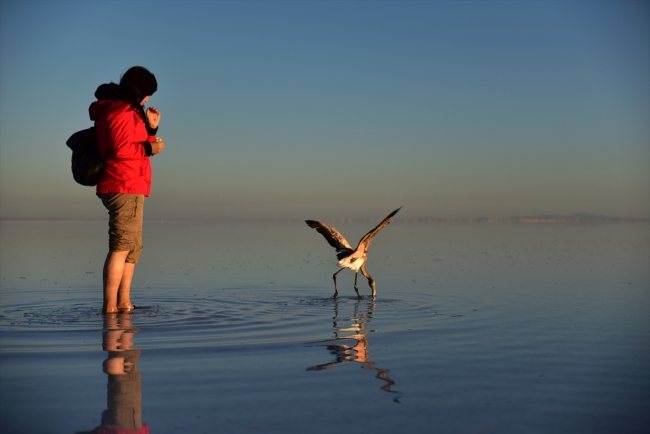
-
Day 4 Beypazarı-Göynük-Iznik-Bursa
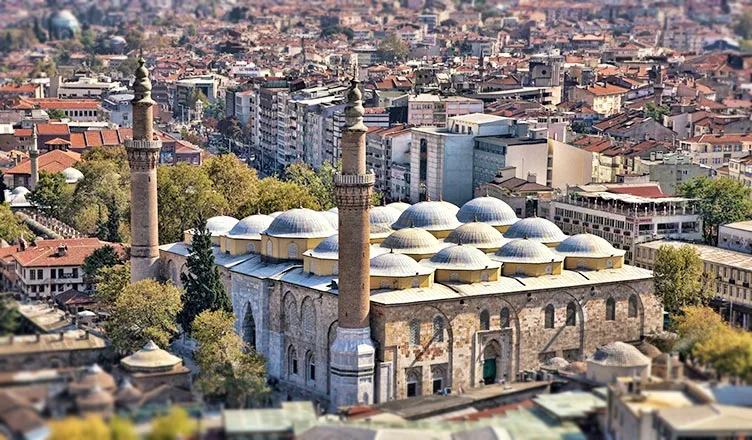
Departure for Bursa, with panoramic sightseeing of the towns of Göynük and Iznik. Visit to the Hagia Sophia of Iznik and the Yeşil Cami.
Arrival in Bursa. Overnight in Bursa.
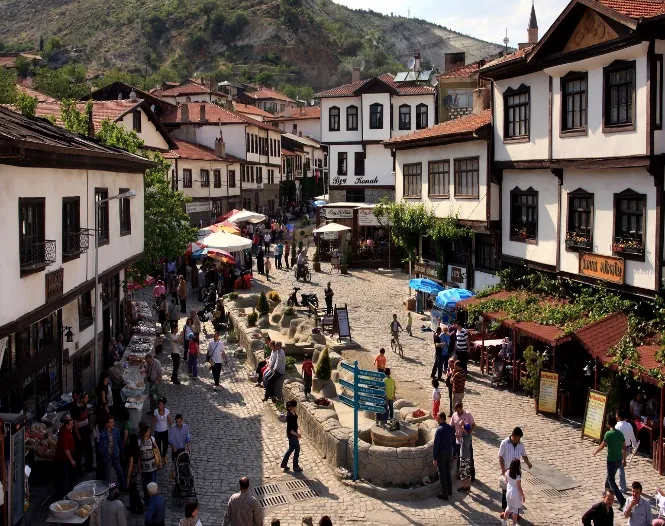
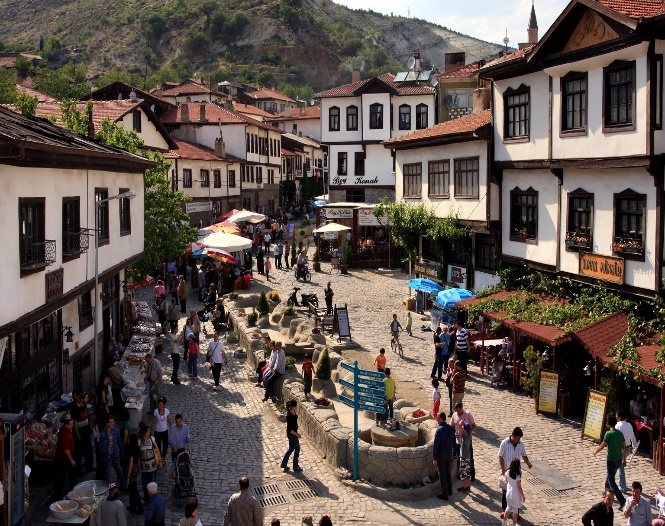
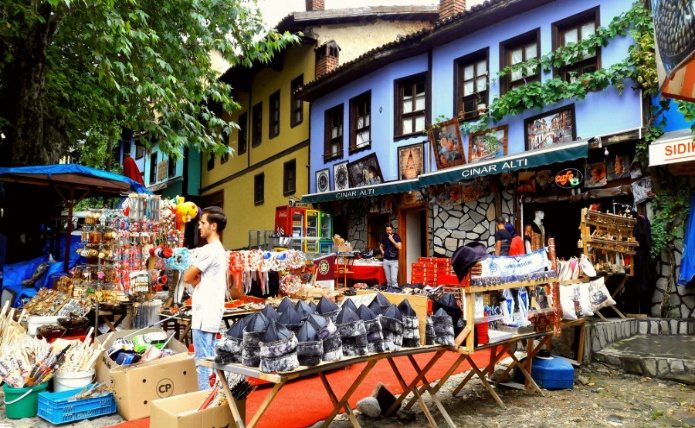
The old district of Beypazarı, built on steep slopes and valleys, is exceptionally picturesque with its market, traditional houses and natural landscape. The centuries-old houses of Beypazarı reflect the typical features of Ottoman and traditional Turkish domestic architecture.
Göynük
Built in traditional Ottoman style, the houses of Göynük survive to this day without having lost their architectural character. These houses attract the attention of tourists who come to the district. The mansions, which have been restored and now operate as guesthouses, attract a great deal of attention from visitors.
Iznik – Witness to History
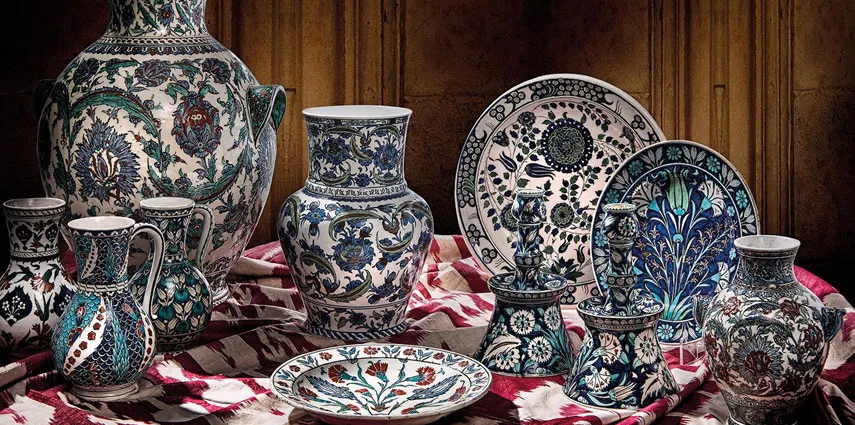
Located 87 km from Bursa is Iznik, formerly known as Nicaea, which lies at the eastern tip of Lake Iznik. The city was founded in 316 BC by Antigonus, one of the generals of Alexander the Great. Iznik was then captured by another general, Lysimachus, who named the city Nicaea after his wife. After serving as an important Roman and then Byzantine city, it fell to the Seljuks in 1078 and later to the Ottomans in 1331. The Roman theatre was built by Trajan (249-251), and on the shore of Lake Iznik stood the Roman senate, where the First Council of Nicaea was held in 325. In the town centre stands the Church of Hagia Sophia, which was used for one of the most important councils, held in 787 over iconoclasm. Under Ottoman rule the church served as a mosque. Iznik is equal to Jerusalem and the Vatican in its importance to the Christian world. Among the more important Islamic buildings in the town, visit the Yeşil Mosque, clad in turquoise tiles, and the Nilüfer Hatun Imaret. Iznik is still a small town that has not grown beyond its original 4,227 m of Roman walls with their 114 towers. The four gates that gave access to the town still stand. In the 16th and 17th centuries Iznik was the centre of a superb ceramic production that made an important contribution to the decoration of mosques and palaces throughout Turkey. The museum displays finds from nearby excavations. After exploring the sights, the fish restaurants by the lake offer delicious food and a relaxing atmosphere. Five kilometres from Iznik, in the village of Elbeyli, you can come across a 5th-century catacomb and a 15.5-metre-high obelisk built by Cassius Philiscus.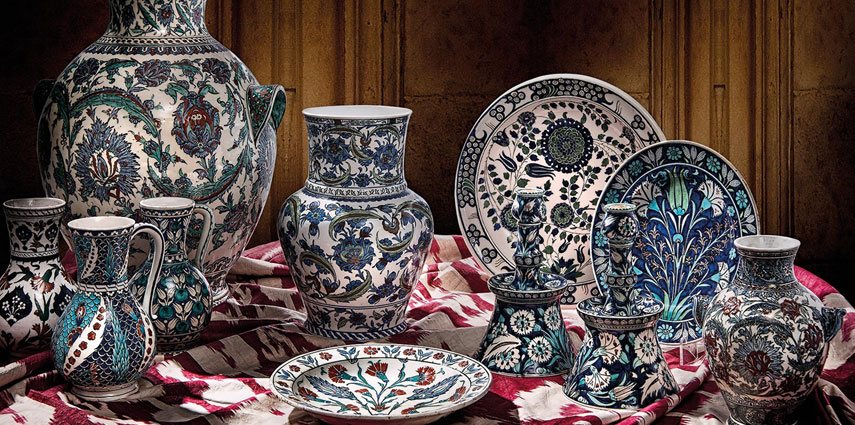
-
Day 5 Bursa-Cumalıkızık-Istanbul
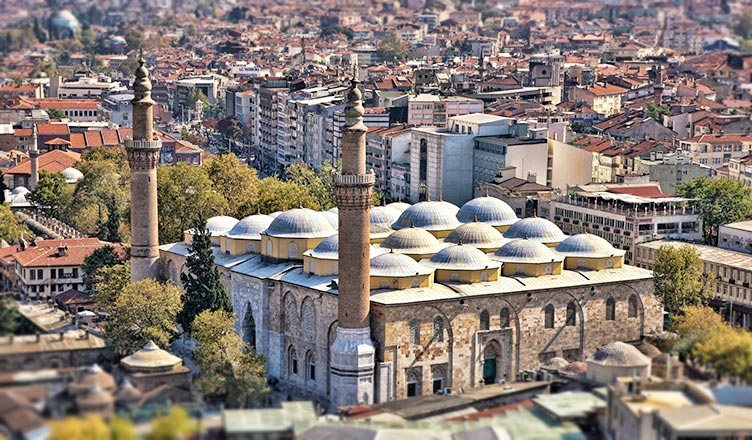
Sightseeing in Bursa: the Ulu Mosque, Tophane, Koza Han, then on to the Ottoman village of Cumalıkızık.
Drive to Istanbul. Overnight in Istanbul.
Bursa and Cumalıkızık: the Birth of the Ottoman Empire
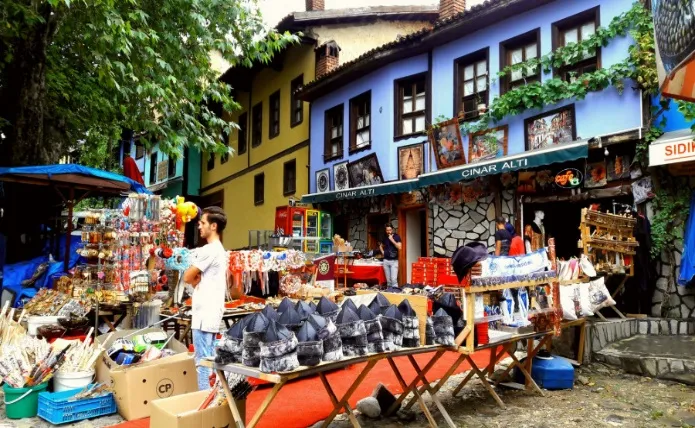
Bursa, one of the early capitals of the Ottoman Empire, reflects the early period of Ottoman culture. Cumalıkızık is a village from that period, a place where time seems to have stood still. The village is notable both for its houses, which are excellent examples of Ottoman-period civil architecture, and for its friendly residents who enjoy their traditional surroundings. It is a "living Ottoman village" with an untouched historic ambience of daily life, cultural values and natural surroundings, where you are sure to step into a time capsule of wooden houses, narrow streets and monumental trees.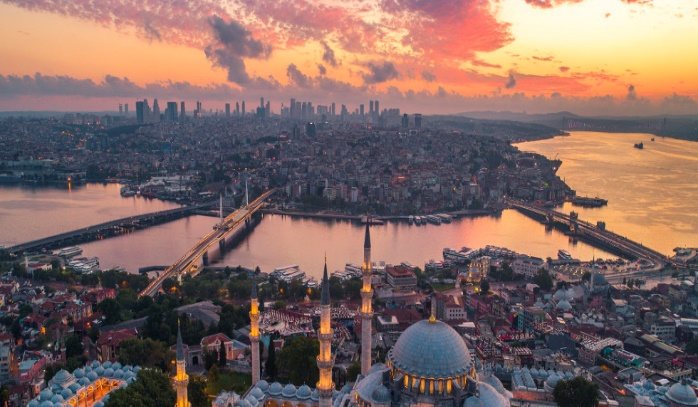
-
Day 6 Istanbul
Free time until the transfer. Departure for the airport. Departure from Istanbul.
Silk Road Anatolian Towns
Send an enquiry
Interested in this journey? Send us an enquiry and we will get back to you with a tailored offer and available dates.
You may also like
Silk Road Anatolian Towns6 days / 5 nights
Send an enquiry